The vehicle is the center
Services, stories, open work, people, costs, photographs, and documents should all make sense from the car’s dossier.
Why DTM Vault exists
Some cars stay for a few years. Others become part of the family. Both leave behind work, people, photographs, and stories worth keeping.
A note from the founder
“I built DTM Vault because the history of my cars was everywhere—and the best stories lived mostly in memory.”
The original problem
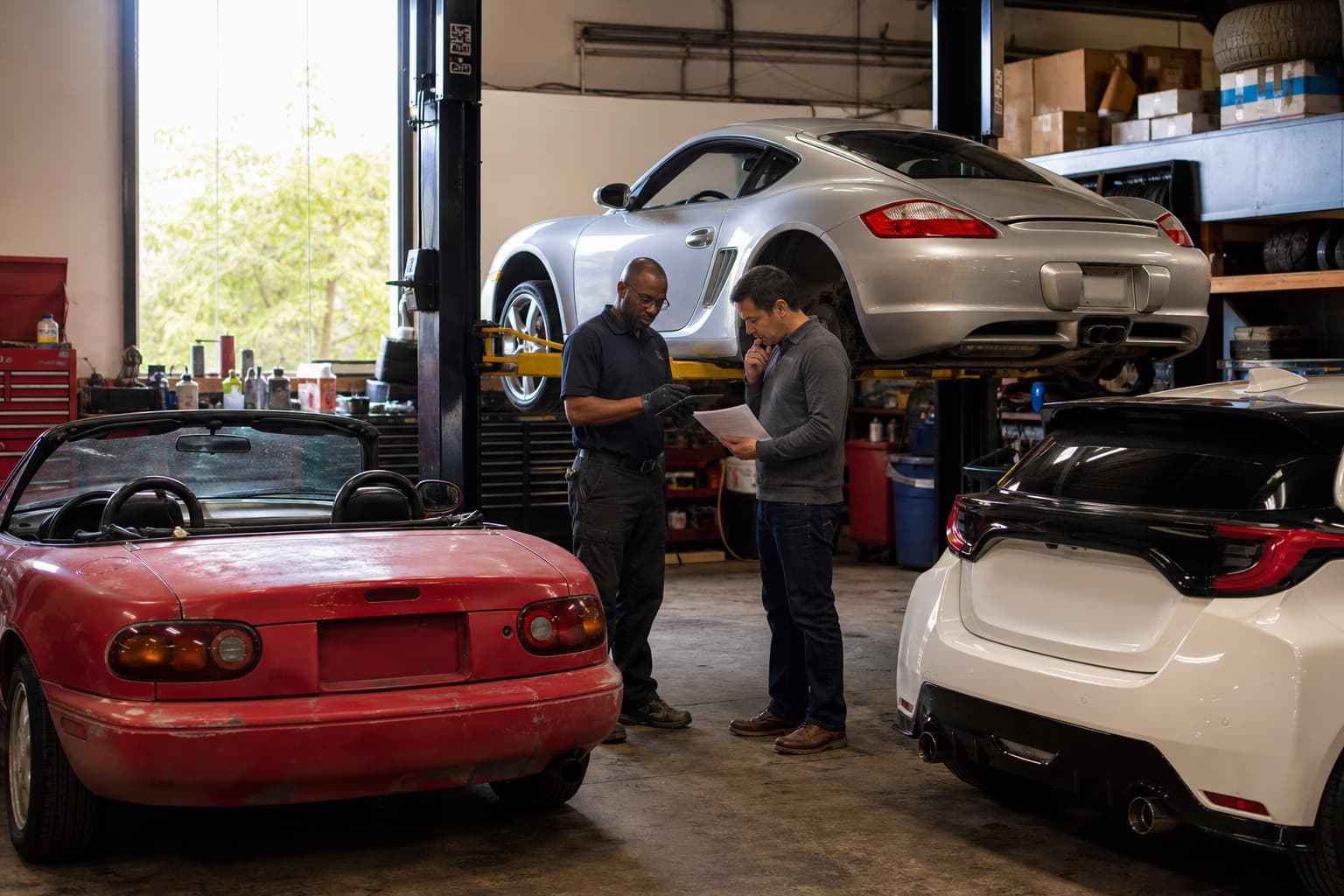
Service records lived in paper folders. Photographs were on a phone. Mechanic names and part suppliers were buried in old messages. Open questions sat in notes, while the story of why a certain upgrade happened was already beginning to fade.
A spreadsheet could inventory the cars, but it could not hold the life around them. DTM Vault began as the place where all of that context could finally stay together.
DTM Vault is built for enthusiasts who know that a car is more than its year, make, and model. It is the work performed, the parts chosen, the people who helped, the places it went, and the stories collected along the way.
That is just as true for a well-used Miata or GR Corolla as it is for a BMW M car, a special Porsche, or an exotic. Enthusiasm is not measured by purchase price. The product should feel at home with all of them.
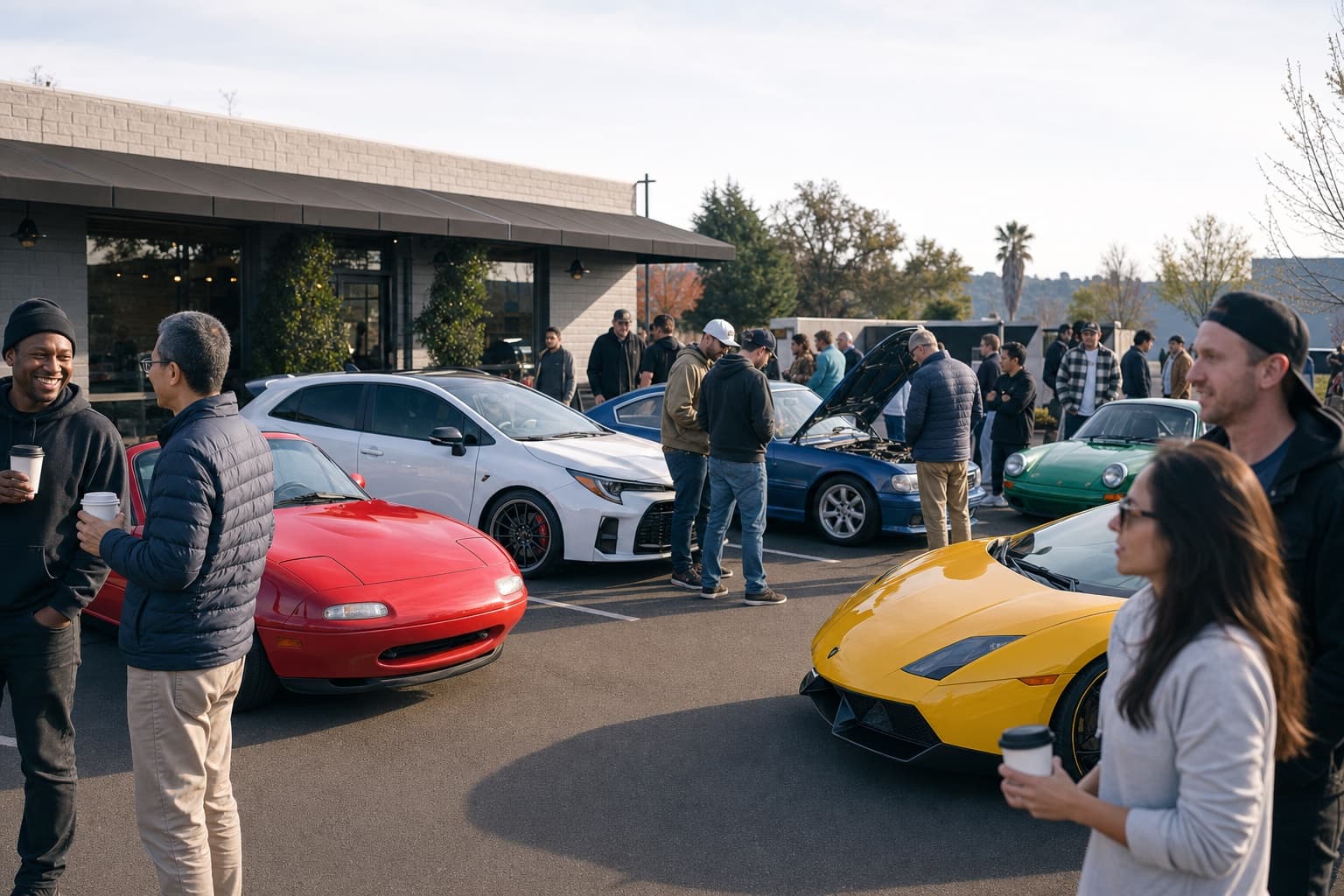
At a Cars & Coffee, track day, autocross, show, or rally stop, people rarely bond over database fields. They bond over why this car, what changed, who did the work, where it has been, and what went gloriously—or hilariously—wrong.
DTM Vault makes those answers easier to remember and more enjoyable to share in person, while keeping the underlying garage private. When someone helps care for a car, access follows the garage or vehicle—not a maze of settings on individual records.
Among the founder’s car friends, DTM became a decades-old joke: “Don’t Tell Mom.” The name keeps a little of that mischief while the product itself is built for owners who are candid about their cars.
Read why we call it DTM VaultThe product principles
Services, stories, open work, people, costs, photographs, and documents should all make sense from the car’s dossier.
Selling a car closes a chapter. It should not erase the record, the photographs, or your part in its story.
Old cars have missing dates, nonstandard chassis numbers, rolled-over odometers, and documents that sometimes disagree.
Original files and complete export packages matter because a lasting record should never depend on memory—or captivity.
Begin your record
A useful dossier begins with a name, make, and model. Add the years of history at your own pace.